
A risk-based inspection plan helps buyers verify wooden baby toys, expandable container units, and custom steel workshop projects.
Not every sourcing order carries the same quality risks. A wooden infant toy, an expandable container unit, and a prefabricated steel workshop require different checkpoints, technical records, and acceptance standards. Importers can gain better control by adapting the inspection plan to each product’s intended use rather than relying on one generic checklist.

Match Every Check to the Product
For a wooden baby mirror, attention should focus on dimensions, smooth edges, splinter risks, mirror retention, printed patterns, packaging, and customized logo details. Because the product is intended for babies, buyers should also define destination-market labeling and laboratory testing requirements, including how material and BPA-free claims will be verified.

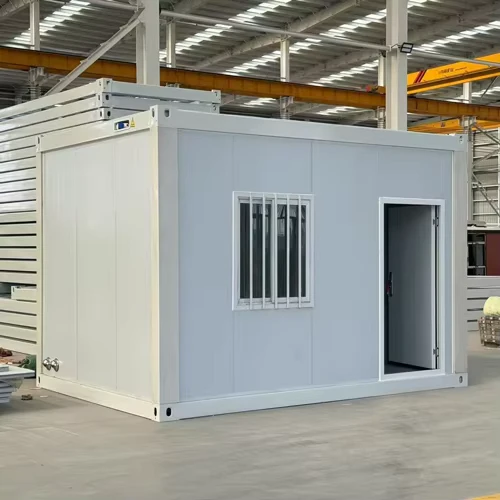
The priorities change for an expandable container unit. Inspection can cover frame dimensions, weld appearance, panel fit, hinges, locking points, surface finish, and water-ingress checks where specified. Packing and loading also matter because poor handling may damage panels or structural components before the unit reaches the project site.
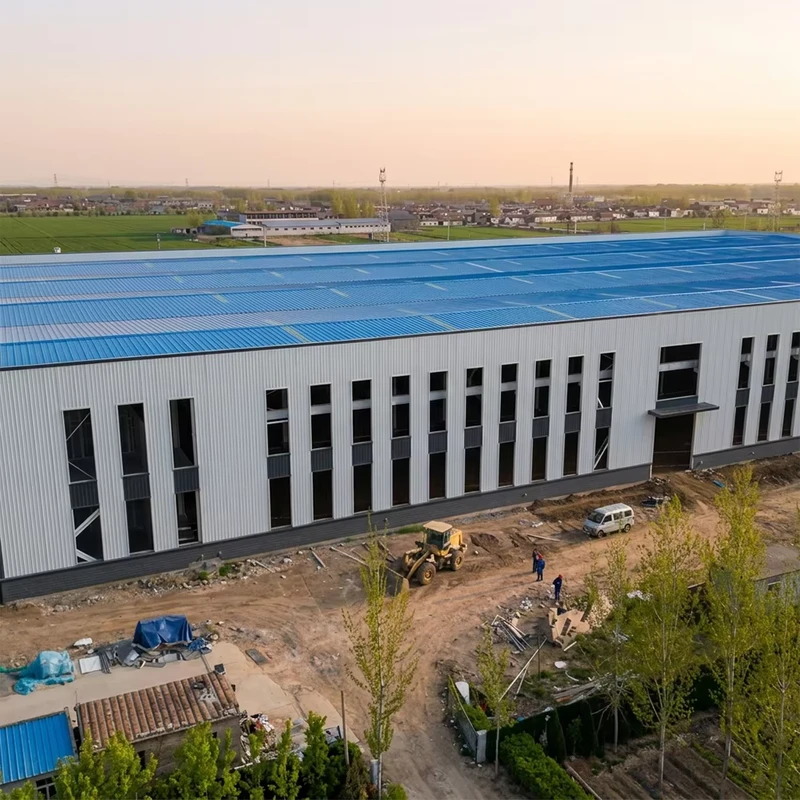
For a custom steel workshop system, quality control begins with approved drawings and technical specifications. Material grades, section thicknesses, hole positions, welds, coatings, component markings, and packing lists should be checked against agreed documents. Customized wind resistance and roof-load requirements must also be reviewed by qualified parties before production; inspection does not replace engineering approval.
Create a Traceable Quality Workflow
A practical program may combine document review, pre-production checks, in-process inspection, pre-shipment inspection, and loading supervision. Clear reports should record measurements, photographs, defect classifications, and corrective actions. To discuss a suitable testing plan, send us your specifications, order quantity, destination market, production schedule, and acceptance criteria.